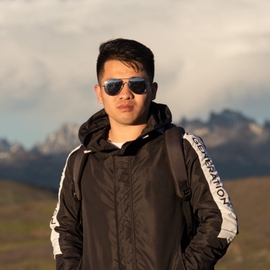
Biography
I am a computational biologist developing AI models to understand how protein sequences, conformational dynamics, and interactions give rise to biological function. My long-term goal is to help build predictive in silico models of biology.
I am currently a postdoctoral researcher with Yufeng Shen at Columbia University, where I study protein fitness landscapes from evolutionary and biophysical perspectives, with a particular focus on protein language models. I received my Ph.D. in Biomedical Informatics from Peking University, where I was advised by Tingting Li. During my doctoral research, I studied protein degradation and phase separation.
I was born in Zhucheng, Shandong, China (Chinese name: 侯超). Outside of research, I enjoy basketball, photography, travel, and exploring food.
Updated: Sep. 2026
- AI-based biomolecule modeling from first principles: sequence → structure ensemble → function / fitness → evolution
- AI-based variant-effect modeling for precision medicine and protein design
- AI-based TCR-peptide-MHC modeling for personalized cancer vaccine design
- Biomolecular interaction and regulation in specific cellular context
Postdoc, 2023.09-
Columbia University
PhD of Biomedical Informatics, 2020.09-2023.07
Peking University
Bachelor of Medicine and Economics, 2015.09-2020.07
Peking University
Projects
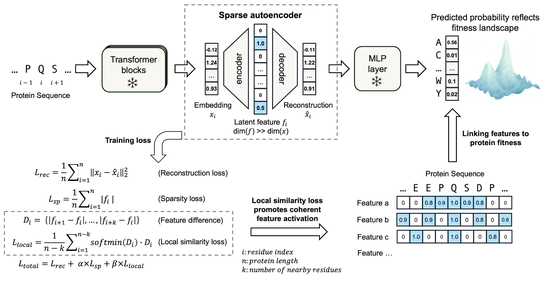
pLM interpretation
Unsupervised discovery of functional motifs from pLM
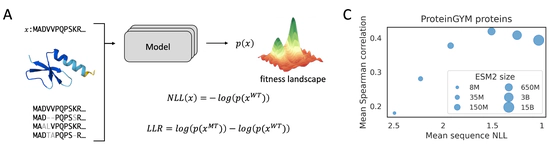
pLM fitness prediction
why larger model do NOT always perform better?
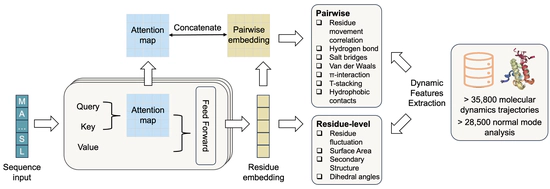
Learn protein dynamics with pLMs
SeqDance/ESMDance trained on Protein Dynamic Properties
Bioinformatics tools for phase seperation
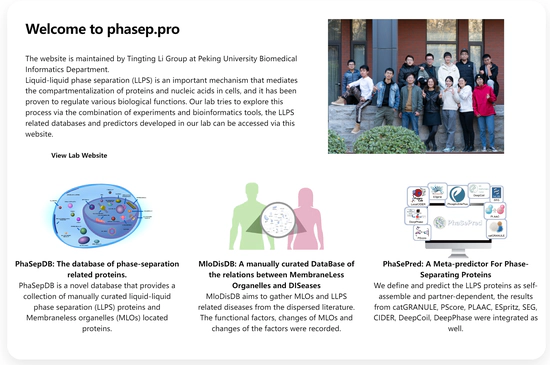
PhaSepDB, PhaSePred and MloDisDB
Predicting E3 ligase binding site
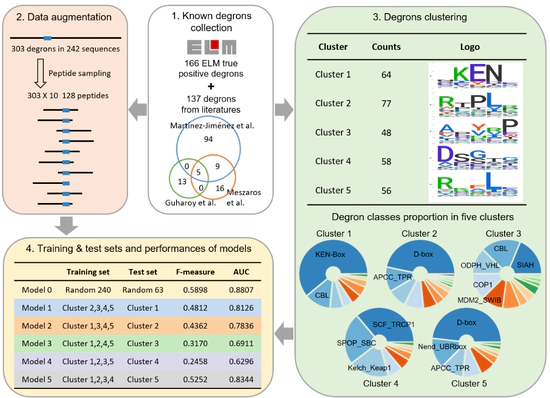
Degpred predicts degron and binding E3 via deep learning
Main Publications
Gallery
Contact
- ch3849@cumc.columbia.edu
- 1130 St Nicholas Ave, New York, NY 10032